
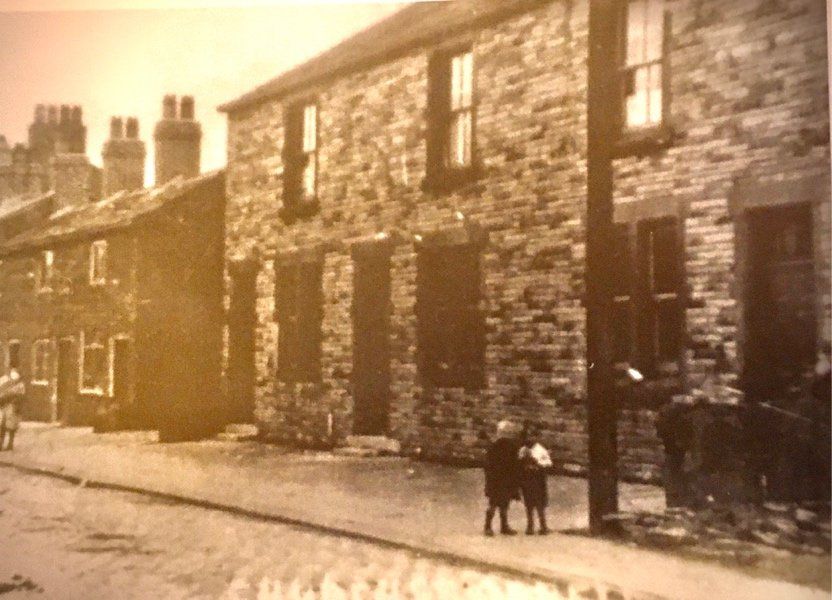
Church Street
In Church Street, many large families lived in neat but small terraced houses. However, there were squares and yards off Church Street such as “The Square”, “Glasshouses” and “Queens Terrace”, where large families were in one-bedroom cottages with inadequate water supply and sewerage.
An Orrell Local Board survey in 1873 revealed the extent of the problems.
Early water supplies
Supplies of water were obtained from ponds, streams, old pit shafts, ditches and wells. Sally’s well, the only reliable source of water at Far Moor, was liable to serious contamination.
Some people carried water from a source near Gathurst station. Alternatively, occupants purchased water of ‘doubtful purity” in cans from water carts at a cost of 6d to 8d per week. In one area 20 houses were served by 2 privies (toilets), which were of an ‘unfit and filthy description’!
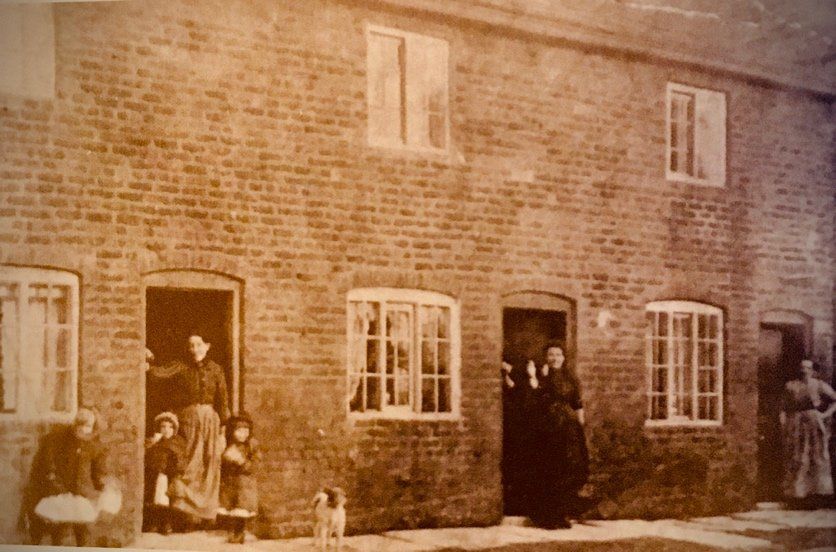
The problems were compounded by the keeping of pigs and poultry, and living conditions were made worse with all sorts of slops and other liquid filth thrown into the yards.
The Medical Officer also complained about the habits of the people including the ‘very offensive smell’ caused by ‘cooking chipped potatoes in oil’. Improvements to the housing had to await slum clearance schemes and new housing estate development initiated by Orrell Urban District Council.
With such appalling living conditions, it was inevitable that diseases such as smallpox, scarlet fever, whooping cough, measles and typhus were rife and it was often left to the churches to alleviate the suffering, poverty and ignorance.
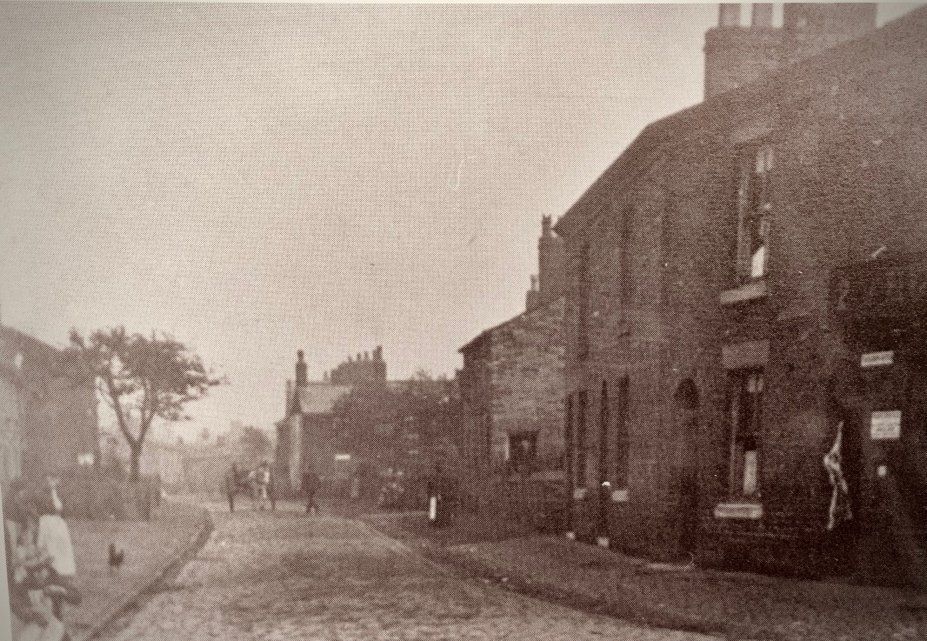
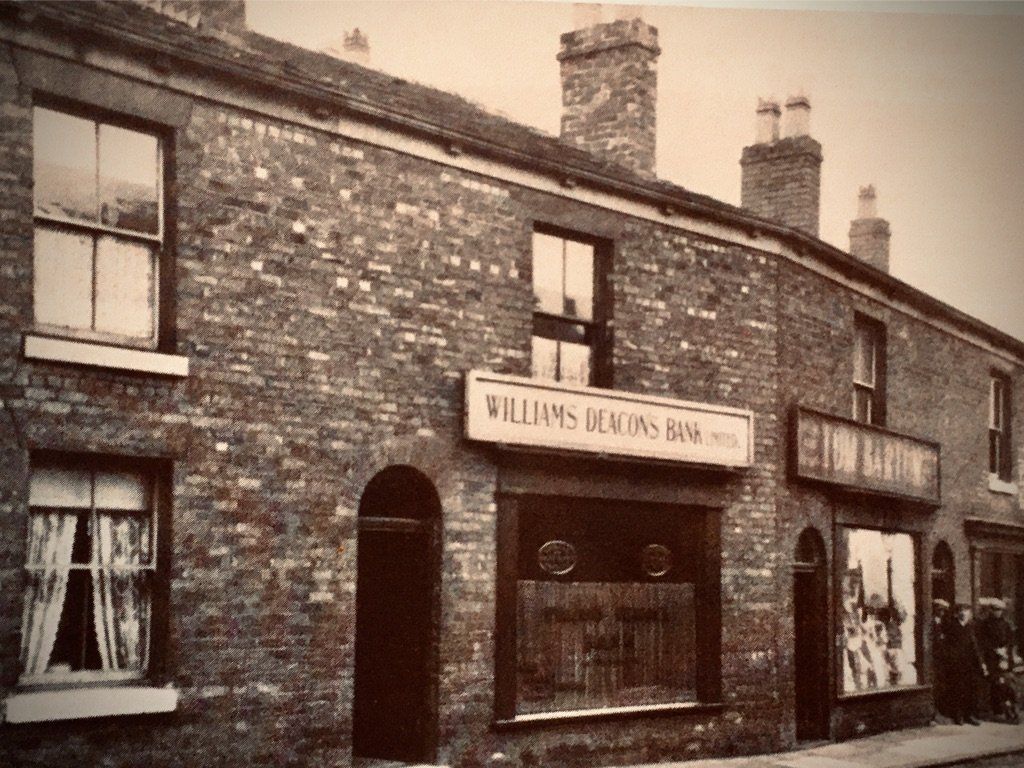
Views looking down Church street from the cross roads. The first shows a shop on the right which appears to be a butcher with side of meat hanging up in the doorway.
Slide the image left and right
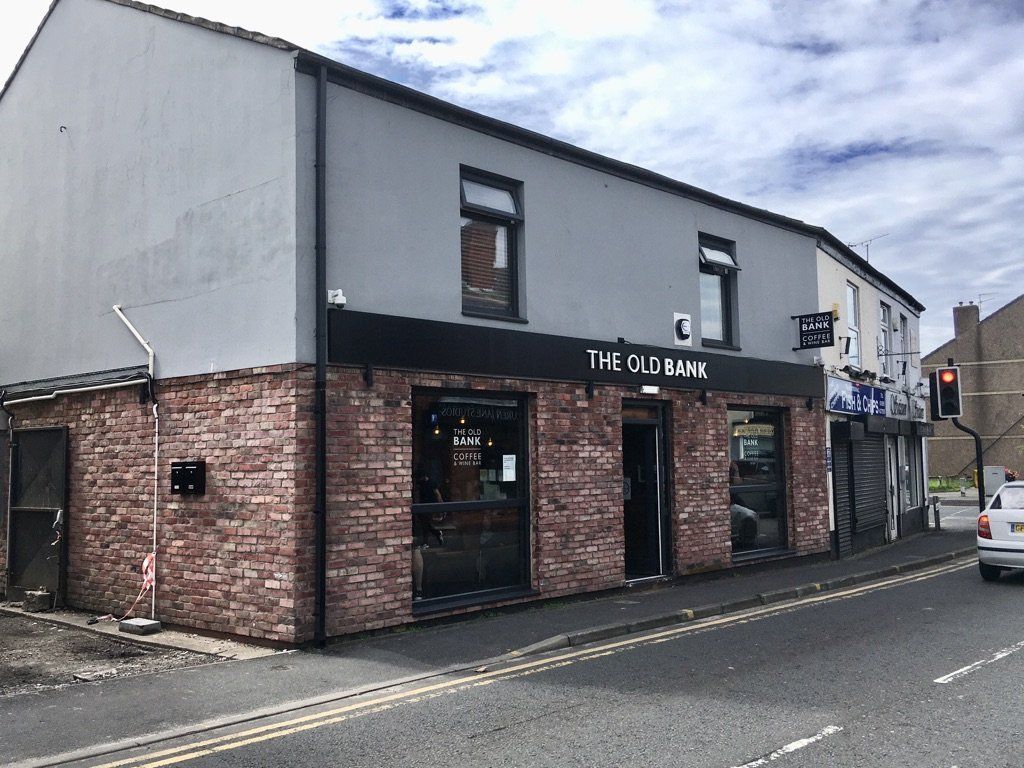
This photograph, taken some years later, around 1922, shows the same shop but next to Williams Deacon’s Bank, Orrell’s first bank, which started trading on 7th March 1922. The bank purchased 6 Church Street for £250 and due to Orrell’s economic expansion the branch grew so that alterations to the building were required in 1929 and 1930. It later became a branch of the Royal Bank of Scotland and is now The Old Bank coffee shop.
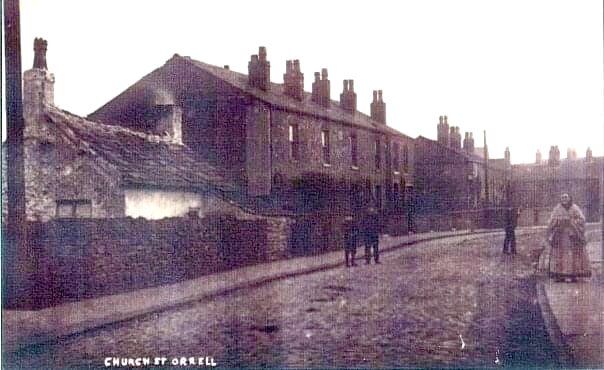
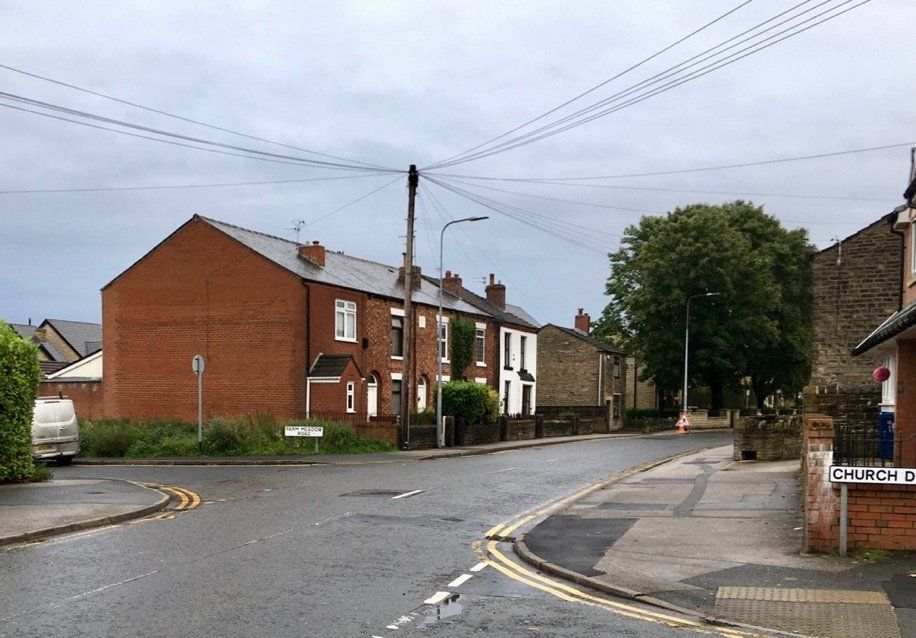
This before and after view shows Church Street looking across from Church Drive towards Farm Meadow Road, late19th – early 20th Century and today
Slide the image left and right

Slide the image left and right
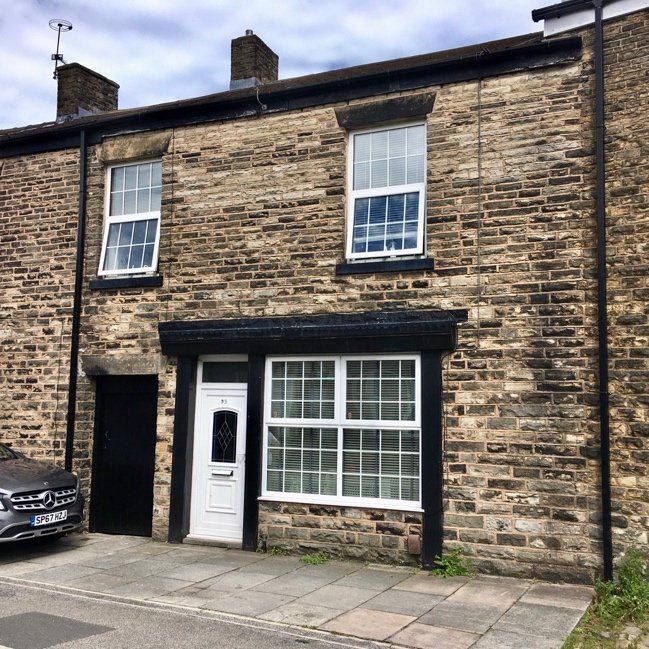
This is the house and former shop on the corner of Church Street and Edgehall Road, number 93, with the cobbles to one side. The first photograph is of James Ashurst confectioner around 1909 and the second is probably 1920’s James Ashurst & Co plumbers and decorators, which is included in our Church Street walk of 1925.
Now a private house.
(Photographs courtesy of Nick Woodcock)
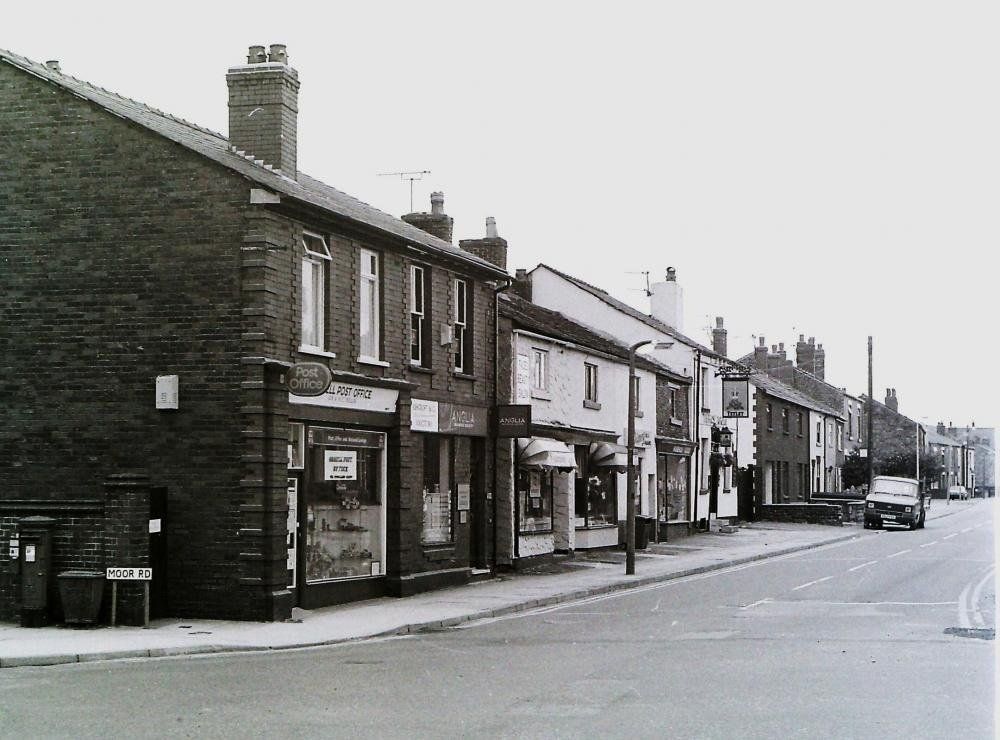
This photograph is looking down the other side of Church Street is probably from the 1980s and brought back many memories for our older residents.
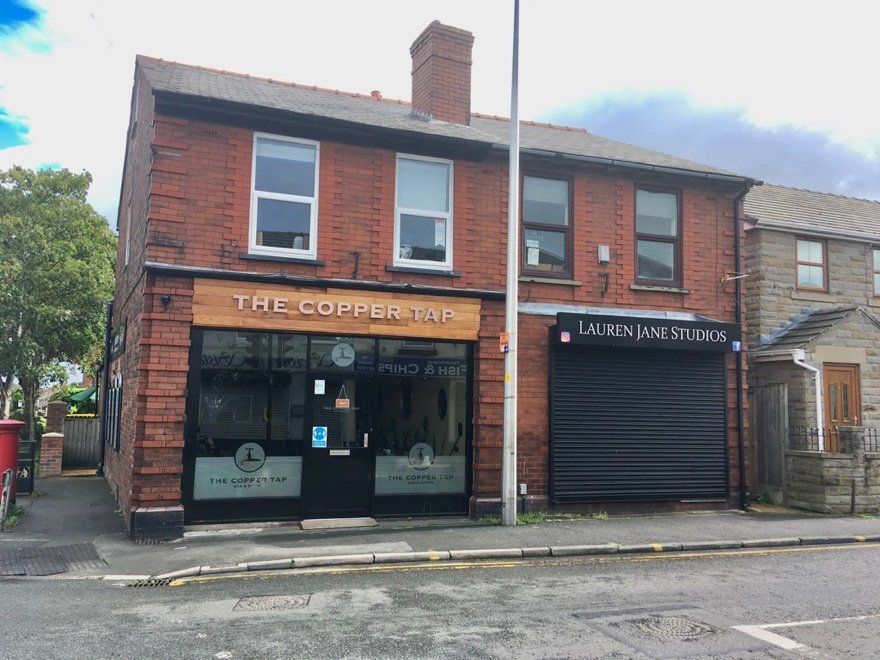
Now the Copper Tap
Slide the image left and right
More Recent Memories of Church Street from our Residents
Linda Highton
Does anyone remember a shop after the bank in Church Street that sold wallpaper & decorating items? It was later converted to a house & the row still stands. I remember going in with my grandma when she was “beautifying“ the front room! The wallpaper had an edging down both sides & the shopkeeper would hit the roll on the counter & the edging came off ?
When I was a girl at corner of Church Street was Miss Charity’s shop that sold wool, cotton, buttons, haberdashery, then the bank, then Dan Bennett’s grocery shop - he was a councillor as well. Everything was wrapped in greaseproof paper, brown paper and white paper bags - no plastic in sight. Butter came in a barrel and there was a large scale hanging for the ceiling and other scales as well. I went to the shop for my mum and grandma and everyone had a book and paid for it at the end of the week.
Then there was wallpaper shop, then Monk’s bakery, before Monks had it it was Hursts and all biscuits were in boxes on their side and you lifted front of the box and picked what biscuits you wanted, and pies and cakes. My grandad had a dog called Paddy. She was a good dog but would steal biscuits from the boxes of biscuits and they would tell my grandma and grandad Paddy had been at it again. When rationing was on, across the road were some cottages in Church St near my grandma’s and Mr Jem Duck’s wife had cooked beef for the family and she left it too cool and when she went to put it away the meat had gone and the culprit was Paddy so my grandma had to give Mrs Duck her meat coupons to her because Paddy had eaten it and that week they had no meat ! After this my Grandad gave Paddy to a farmer in Southport and was so upset but the stealing was really having an impact on family housekeeping. Weeks and months passed Paddy had 6 pups and she walked back home to Church St with all 6 pups. My grandad was delighted and crying to see her and couldn’t send her back so he gave one of the pups to the farmer and found homes for the other pups and kept Paddy. After Hurst bakery there was a Butcher’s where Co-op is now, then Norman Barton shop which sold paraffin, nuts, bolts, oil, nails, hardware it smelt of paraffin and oil. Then Peets chemist which sold draught sherry. People would come up with it in a brown paper bag. If you carried on walking there was Chris’s hairdresser / barbers. Further up a baby linen shop, then another butchers shop which was Clayton’s, then another grocers and a post office near the station.
At 68 Church Street was Tom Halliwell’s (my grandfather) grocery shop, he cooked all his own ham and beef for sale in the shop. At the end of the row of houses was another butchers shop, called Liptrots and then where the beauty shop is now was Clayton’s butchers.
Hi it’s me again - across from station and post office there was a sweet shop we went to from school. Across from Peets chemist was a stone cottage and the front room had a flagged floor and when we went inside it was selling second hand furniture and my grandma got 4 farm wooden chairs and there was other furniture in the rooms but no tiles or carpets on the floor, then there was a baby linen shop, dandy caravans, then the congregational church, then at the side of Rose and Crown, Norman Barton had another shop selling electrical goods - washing machines, spin dryers then the cottages - one was a chippy, a Hairdresser’s (later on a cake shop) and then you had a lady called Mrs Jackson (which is Hairdresser’s now) the front room was stacked to the ceiling with men’s and ladies underwear, under skirts, cardigans, jumpers, socks, stockings, you name it she sold it and what was the post office (now the Copper Tap) was the original chemist with a thick bevelled window. I used to look in there at the big glass jars. They were huge. Inside it was dark with a lot of drawers, bottles and potions but I only went in there a few times x